

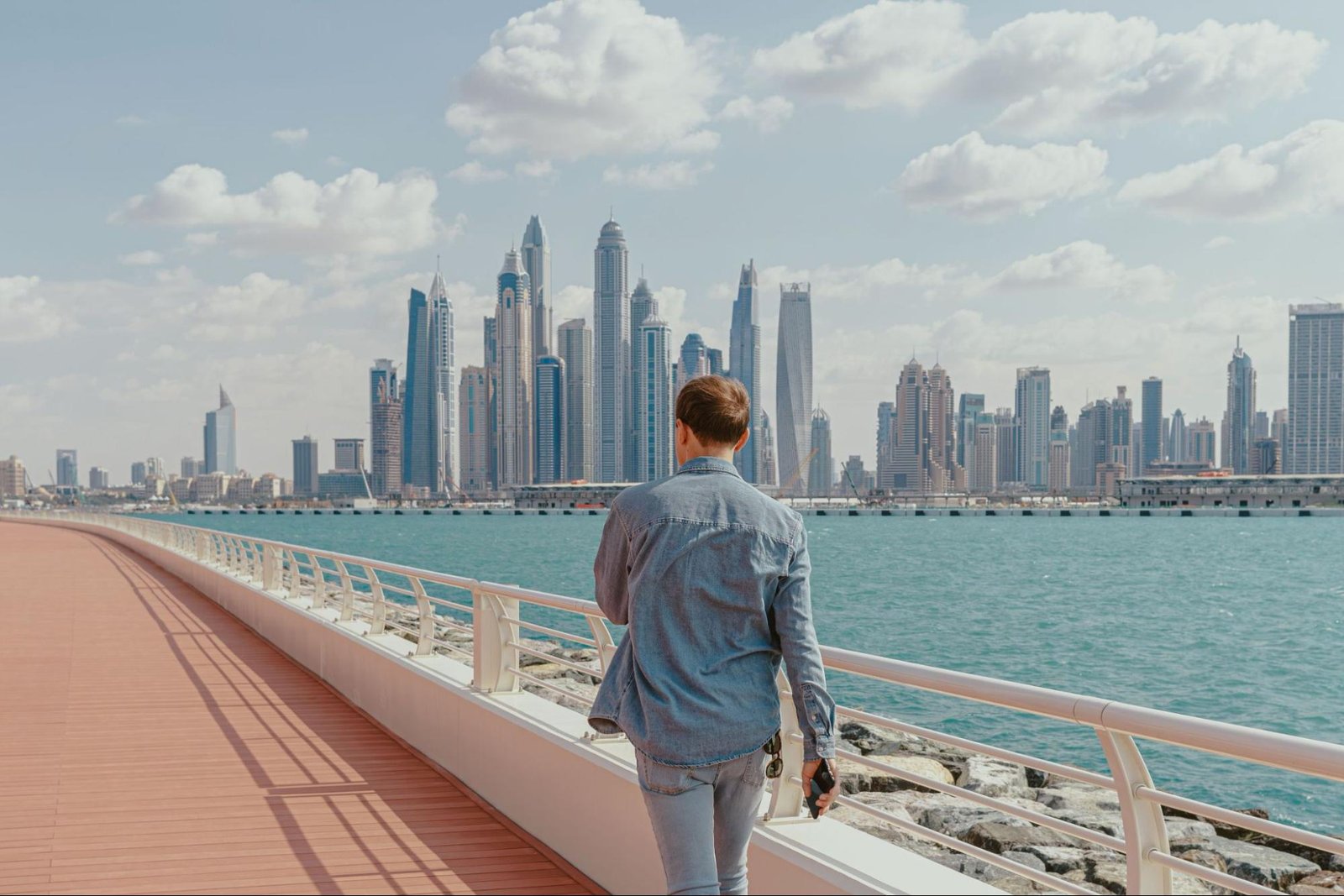
Dubai offers many opportunities to expatriates, entrepreneurs, professionals, and families. It provides a modern infrastructure, business environment, safety, and international lifestyle, which has made it attractive to people from all over the world.
Relocating to Dubai can have significant professional prospects, financial returns, and international exposure benefits. But it also has high living expenses and a lot of heat during the summer, traffic, and residence restrictions.
Before you move, take into account the contribution the city makes to your budget, career, family requirements, and overall lifestyle. For a complete relocation overview, read our Dubai Lifestyle Guide 2026: Everything You Need to Know Before Moving to Dubai. Let’s take a look at the key Pros and Cons of living in Dubai.
Pros of Living in Dubai
1. Strong Career Opportunities
The Emirate of Dubai boasts many sectors where finance, real estate, tourism, technology, aviation, logistics, construction, hospitality, and retail are also very prominent. There are ample opportunities for professionals of various skill sets and experience for multinational companies, regional companies, and start-ups.
Gaining experience in Dubai can offer international exposure and build international networks. The competition for some good jobs can be stiff, so in-demand skills and relevant qualifications are important—check out our comprehensive guide on How to Get a Job in Dubai to boost your employment prospects.
2. Attractive Tax Environment
An advantage that employees get in Dubai is that they don’t really have to pay traditional personal income tax on their salaries. This can enable experts to retain a more considerable percentage of the income generated.
Dubai is not all tax-free, however. Other taxes, such as VAT, government tax, and housing expenses, could be relevant. However, this tax haven is still a huge draw for expatriates.
3. Modern Infrastructure & Convenience
Dubai’s roads, public transport, airports, healthcare, shopping malls, residential areas, and digital government are very well developed and connected by the Metro, buses, taxis, or ride-sharing.
Convenience in daily life as well. Residents have access to apps that let them order food, bank, shop, get rides, access health services, and government services. Dubai International Airport also offers great connectivity to different countries in the world.
4. Safe and Multicultural Environment
Dubai is considered to be a safe city, having tight regulations and effective law enforcement. This is particularly attractive to families.
This is also a city that is rich in multicultural aspects. English is spoken extensively, and locals can enjoy food, events, and communities from various cultures. This global setting may facilitate newcomers in adapting to the new surroundings.
5. Excellent Lifestyle and Entertainment
Dubai has beaches, malls, restaurants, cinemas, sports facilities, desert activities, and cultural attractions. Scenes range from free public spaces to premium experiences.
Though the variety is nice, the easy access to food and entertainment, combined with dining out frequently, makes it more difficult to save.
What to Check Before Moving to Dubai
| Factor | What to Check |
| Salary | Can it comfortably cover your monthly expenses? |
| Housing | Compare rent, location, and commute time. |
| Visa | Understand your residency and sponsorship conditions. |
| Transport | Check whether you need a car or can use public transport. |
| Family Costs | Consider schooling, healthcare, and larger housing needs. |
Cons of Living in Dubai
1. High Cost of Living and Housing
One of the major concerns for new residents is the cost of living. With rent, transportation, food, education, meals, insurance, and utilities quickly taking their toll, evaluating expected earnings is crucial—see our detailed breakdown in the Dubai Salary Guide: Average Salaries by Industry and Job Role.
One of the most common costs is housing. Iterations of popular neighbourhoods and bigger apartments can be very expensive, and you may need to pay deposits, agency fees, utilities, and more.
Having a good amount of money doesn’t always equate to a good amount of savings. The type of house you buy, family size, and lifestyle will be significant.
2. Extremely Hot Summers
However, Dubai’s Summer climate can be tough for those who love the outdoors. The temperatures climb, and humidity may exacerbate the situation even more.
Homes and businesses that are air-conditioned are nice; however, so are vehicles and outdoor activities, which are harder to do during peak summer weather. Homes, offices, malls, and vehicles are comfortable in the A/C season, but during the hottest months, it’s challenging to walk, cycle, play outdoors, or see the sights. It is much cooler during the cooler months and is great for outdoor activities.
3. Traffic and Commuting
Dubai has a modern road network, but during peak hours congestion is frequently experienced, particularly in the vicinity of busy business districts and residences.
Your lifestyle may be greatly impacted by where you live. An additional unit in a cheaper area, away from work, may be a better deal as far as rent goes, but can also result in greater transport expenses and a loss of personal time due to the increased travel time.
4. Residence and Long-Run Settlement
The majority of expatriates require a job, family, business, investment, and other types of residence visas to obtain. A change in employment or personal circumstances can then result in a change to the residency arrangements.
Many of Dubai’s foreign residents are not granted UAE citizenship if they reside here for a period of many years. Individuals primarily seeking permanent residence and citizenship might want to consider countries with more straightforward pathways to permanent residence. Individuals who are primarily looking to immigrate permanently may prefer countries with pathways to permanent citizenship and residency.
5. Fast-Paced Work Culture and Local Rules
It can be a stressful business environment in Dubai. Professionals can expect to work long hours, meet some potentially challenging goals, and be on the losing end of a competitive job market, depending on their employer and field.
Local rules and people’s customs are also important things to know. Any rules of public conduct, social media use, photography, alcohol, and financial matters might be different from your home country. For essential legal requirements, review our UAE Rules and Laws 2026: Essential Guide for Residents, Visitors & Businesses.
Is Dubai a Good Place to Live?
Provided that you have the right salary, the right job offer, the right budget, and the right lifestyle, then Dubai would definitely be a great place to live in. Internationally, opportunities to meet experienced professionals within certain fields will be available; at the same time, entrepreneurs will receive access to big networks of business in the region and beyond. Safety, schools, healthcare, housing, and entertainment options could matter to families residing in Dubai.
However, Dubai does not fit well for people looking for a low cost of living, mild weather, a leisurely lifestyle, or a simplified citizenship procedure.
It is necessary to understand what income you will have after relocation and how much money it will take to pay for rent, utilities, transport, food, insurance, education, and entertainment. Having adequate coverage is mandatory for all residents, so make sure to consult our UAE Health Insurance Guide 2026: Rules, Costs, Coverage & How to Choose the Right Plan. One should check out a job offer and a visa policy and consider how far the distance is between your house and workplace.
Final Thoughts
Since it is located in the city of Dubai, it is quite an enticing location to work, be safe, have access to modern facilities, be well-connected to the rest of the world, and live a multicultural lifestyle. There is great potential for career growth here, and that can lead to a nice life for the right individual.
Meanwhile, drawbacks such as high rents, a particular lifestyle, hot summers, heavy traffic, visa issues, and limited citizenship opportunities can be big factors.
It is difficult to say which is the best one to choose because there are many factors to consider. If your salary is more than enough to cover your living costs, you are able to benefit from career advantages, and you are satisfied with the climate, legislation, and fast-paced way of getting around in Dubai, it could be gratifying. After considering the Pros and Cons of living in Dubai, you can determine if it’s suitable for you.
Frequently Asked Questions
- Is Dubai a good place to live?
Yes. For those who prioritise career opportunities, safety, modern infrastructure, and an international lifestyle, Dubai can be a very good place to live. Your experience is going to depend on a lot of aspects of your income, housing options, and spending preferences.
- What are the biggest disadvantages of living in Dubai?
The main drawbacks are the high housing costs, high living costs, heavy traffic, working conditions, the requirement to live in the city, and the lack of citizenship opportunities for most expatriates.
- Do people pay high rent in Dubai?
Dubai is often very pricey for rent, schooling, food, and entertainment. The reality is, though, that there is going to be something different for people living in different areas of your country, with different family sizes, different modes of transport, and different lifestyles.
- Can families visit Dubai?
Yes. Dubai is a safe city, boasting modern residential communities, schools, healthcare and recreational facilities, and excellent public infrastructure, all of which could make the city an appealing choice for families.
- Is it worth moving to Dubai?
For some people, it might be the best option to relocate to Dubai, as they can find an appropriate job that offers them a competitive salary and they have a solid financial strategy. Before relocating, compare your salary to your expenses for the month, consider your future job plans, your family and lifestyle plans, and what you want to do in your future location.

